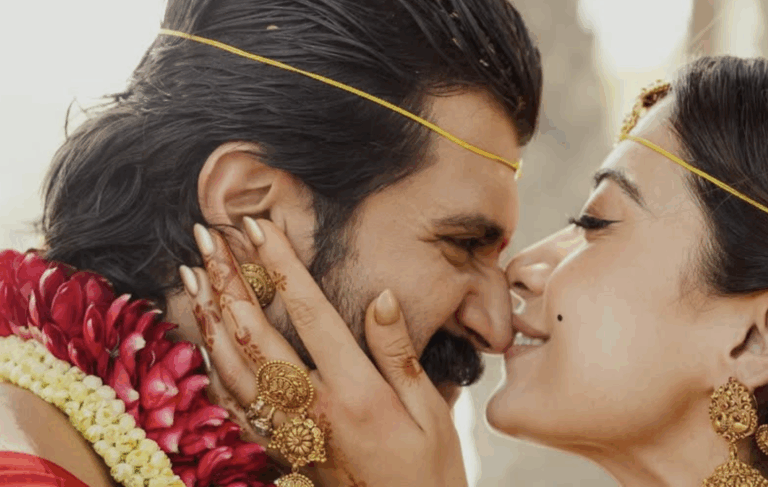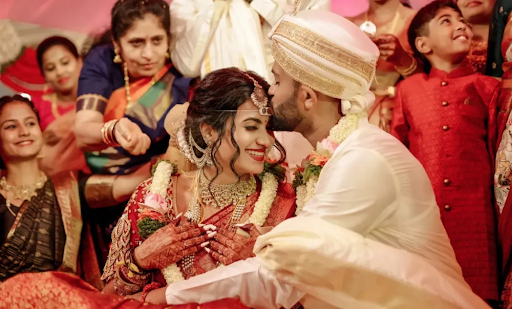


A wedding day is one of the most important and emotionally charged events in a couple’s life. For photographers and videographers, it’s also one of the most demanding shoots—there are no retakes, no do-overs, and no margin for error. Every moment, from the nervous smiles during bridal prep to the emotional farewell, needs to be captured perfectly.
Despite experience and preparation, many wedding shoots still suffer due to avoidable mistakes. These errors can affect image quality, client satisfaction, and even professional reputation. Whether you’re a beginner or a seasoned wedding photographer, understanding these pitfalls can significantly elevate your work. Let’s explore the seven biggest mistakes to avoid on wedding day shoots and how to handle them like a pro.
Mistake 1: Not Planning the Timeline in Advance
One of the most common and costly mistakes in wedding photography is poor timeline planning. Weddings often run late, events overlap, and lighting conditions change rapidly. Without a clear timeline, photographers risk missing key moments such as the bride’s entry, emotional candid reactions, or important rituals.
A well-planned timeline allows photographers to anticipate moments, prepare the right lenses, and position themselves correctly. Always coordinate with the couple, wedding planner, and makeup artists beforehand. In cities with busy schedules and traffic, such as metropolitan wedding locations, buffer time is essential to avoid unnecessary stress and rushed shots.
Mistake 2: Ignoring Lighting Conditions at the Venue
Lighting can make or break wedding photos. Relying solely on natural light without assessing venue conditions is a major mistake many photographers make. Indoor venues, dimly lit halls, night ceremonies, and harsh midday sunlight all require different lighting strategies.
Professional wedding photographers should scout the venue in advance or arrive early to assess lighting challenges. Carrying backup lighting equipment, understanding how to balance ambient light, and knowing when to use flash subtly can dramatically improve image quality. Poor lighting management often results in grainy, underexposed, or flat images that can’t be fully corrected in post-production.
Mistake 3: Overlooking Candid Moments
While posed portraits are important, weddings are filled with raw, emotional moments that tell the real story of the day. Focusing too much on staged shots can cause photographers to miss genuine expressions—tears, laughter, nervous glances, and spontaneous joy.
Candid wedding photography is what couples cherish the most over time. Being observant, anticipating reactions, and blending into the background helps capture authentic emotions. Staying alert during rituals, speeches, and family interactions ensures that these priceless moments are preserved forever.
Mistake 4: Not Communicating Clearly With the Couple
Miscommunication is a silent killer of successful wedding shoots. When photographers don’t fully understand the couple’s expectations, preferred style, or must-have shots, disappointment becomes inevitable.
Clear communication before the wedding is crucial. Discuss photography styles, cultural rituals, family dynamics, and specific moments the couple values. Clarifying deliverables, timelines, and editing preferences avoids confusion later. A well-informed photographer is better equipped to deliver a gallery that aligns perfectly with the couple’s vision.
Mistake 5: Poor Equipment Management and Lack of Backup
Technical failure is every wedding photographer’s nightmare. Camera malfunctions, corrupted memory cards, or drained batteries can ruin an entire shoot if backups are not in place.
Professional wedding shoots demand redundancy. Carrying backup camera bodies, extra lenses, fully charged batteries, and multiple memory cards is non-negotiable. Regular equipment checks before the event ensure everything is functioning smoothly. Preparation behind the scenes is what allows photographers to stay calm and focused during high-pressure moments.
Mistake 6: Missing Family and Group Shots Due to Poor Coordination
Family portraits are often the most challenging part of a wedding shoot. Large groups, time constraints, and uncooperative guests can make this segment chaotic if not handled properly.
Failing to organize group shots efficiently can result in missed combinations and frustrated clients. Having a pre-planned shot list, assigning a family coordinator, and communicating clearly during group photos can save time and energy. Structured group photography ensures no important family member is left out while keeping the process smooth and stress-free.
Mistake 7: Underestimating the Importance of Post-Production Planning
Many photographers focus solely on capturing the wedding day but underestimate the importance of post-production workflow. Poor file management, inconsistent editing styles, and delayed delivery can negatively impact client satisfaction.
Efficient post-production planning includes proper file backups, consistent editing presets, and realistic delivery timelines. Couples eagerly await their wedding photos, and delayed or poorly edited albums can overshadow an otherwise great shoot. A streamlined editing process ensures timely delivery while maintaining quality and brand consistency.
Bonus Mistake: Forgetting to Take Care of Yourself
Wedding days are long, physically demanding, and emotionally intense. Skipping meals, staying dehydrated, or burning out midway through the event can affect focus and performance.
Professional photographers understand that personal well-being directly impacts creativity and attention to detail. Staying hydrated, taking short breaks when possible, and pacing yourself throughout the day helps maintain energy levels and sharpness from start to finish.
Why Avoiding These Mistakes Matters for Wedding Photographers
Wedding photography is not just about technical skills—it’s about storytelling, preparation, communication, and professionalism. Avoiding these common mistakes ensures smoother workflows, happier clients, and stronger referrals. In competitive wedding markets, consistent quality and reliability set photographers apart.
Couples invest emotionally and financially in preserving their wedding memories. Delivering a seamless, stress-free experience builds trust and long-term credibility in the wedding industry.
Final Thoughts: Turn Mistakes Into Mastery
Every wedding shoot is a learning experience, but the best professionals learn from common mistakes before they happen. By planning ahead, communicating clearly, managing equipment responsibly, and staying attentive to emotions and details, photographers can elevate their craft significantly.
Avoiding these seven big mistakes on wedding day shoots helps create timeless images that couples will treasure for a lifetime. Preparation, awareness, and passion are the true secrets behind unforgettable wedding photography.